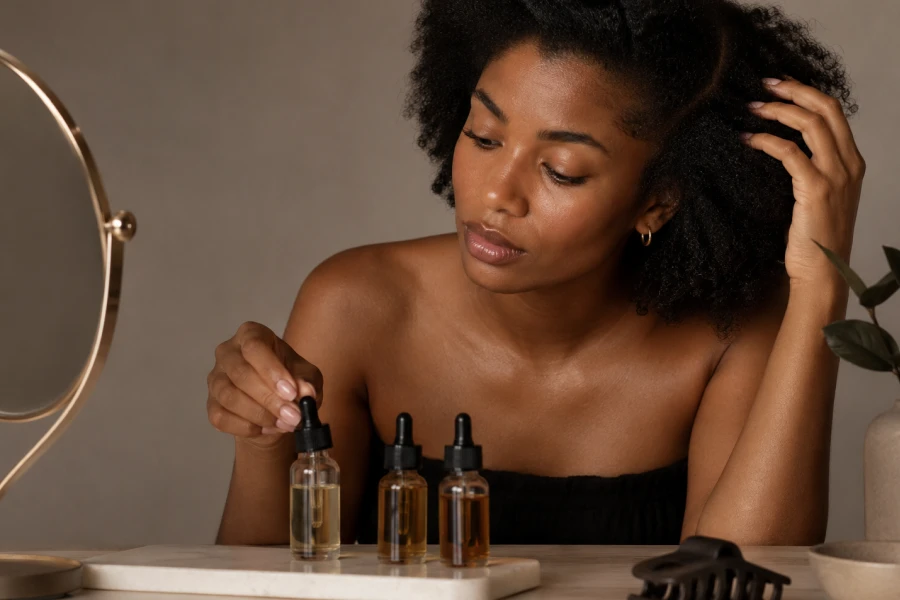
A hair oil routine for shiny hair works best when it feels quiet and controlled. Shine does not require a dramatic shelf reset. It usually starts with cleaner timing and better placement. Many people chase gloss with too much product. That creates weight instead of radiance. A smarter routine respects texture, density, and lifestyle. It gives hair enough slip without stealing movement. The finish looks intentional, not overloaded. Small steps become visible within normal styling. This quieter approach makes shine easier to maintain.
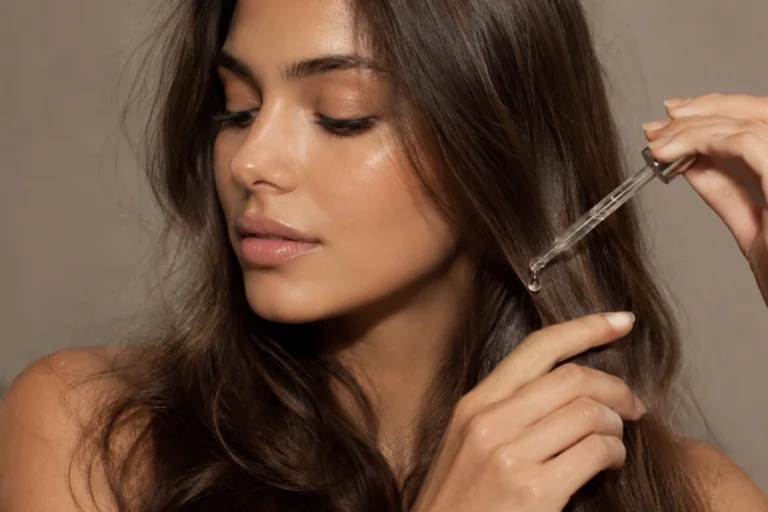
Restraint keeps oil from becoming the problem. Hair needs conditioning support, not a heavy disguise. Start with one or two drops. Spread them thoroughly before touching your strands. This prevents uneven patches and greasy ends. The palms should look lightly conditioned. Then press product where dryness appears first. A simple method using hair oil application techniques reduces waste. Results improve when application feels deliberate. Shine should arrive without sacrificing bounce.
Texture gives the clearest routine clues. Fine hair often needs lighter oils and shorter contact. Thick hair may need richer support through the ends. Curly hair may benefit from section-by-section application. Straight hair can show excess product faster. Color-treated hair may respond differently after washing. Heat-styled hair often needs extra end care. These differences deserve attention before buying more. Watch your hair in natural light. That view tells the truth quickly.
Wash day sets the foundation for visible polish. Clean hair reflects light more cleanly. Conditioner prepares the surface for smoother styling. Oil then adds a final layer of control. Apply after blotting excess water with a towel. Avoid rough rubbing during this step. Smooth the ends before air drying or blow drying. Add more only after hair fully responds. This keeps the finish refined and touchable. Wash day becomes a calm reset.
A crowded cabinet can make decisions harder. One useful blend beats five confusing options. Some people like lightweight oils for daytime shine. Others prefer richer mixtures before washing. Testing blends teaches you how hair behaves. That knowledge matters more than trend following. A resource on DIY hair oil blends can make experimentation safer. Keep each test simple and documented. Change only one factor at a time. Clear experiments create better results.
Between washes, shine needs a lighter touch. Dry hair shows excess oil quickly. Use leftover product from your palms first. Focus on ends, bends, and rough spots. Skip areas that already look smooth. A brush can distribute natural oils gently. Silk or satin accessories can reduce friction. Refreshing should take less than one minute. That speed helps the habit survive busy mornings. The best routine never feels dramatic.
Longer hair reveals routine quality over time. Ends are older and usually more fragile. They need support before they look damaged. Oil can reduce snagging during styling. It can also improve the appearance of dryness. That does not replace trimming or gentle handling. It simply helps daily wear feel less harsh. A polished finish often begins at the ends. Protecting length makes shine look more consistent. Healthy-looking movement becomes easier to preserve.
Shine should move with the hair. A stiff finish can look artificial fast. Light reflection improves when strands remain separated. Product choice, amount, and timing all matter. Finishing oil belongs after styling decisions are complete. A few drops can soften the final shape. Readers interested in shine boosting oils should still test gradually. More shine does not mean more oil. Better distribution creates the most elegant effect. The result feels polished, not heavy.
Hair changes across seasons and routines. Summer humidity may require less finishing oil. Winter dryness may demand more end care. Color services can change porosity suddenly. Heat styling can shift what hair tolerates. A flexible method prevents routine failure. Keep notes when something works especially well. Repeat the pattern before changing products. This turns shine into a skill. Your routine becomes smarter with every season.


Leave a comment