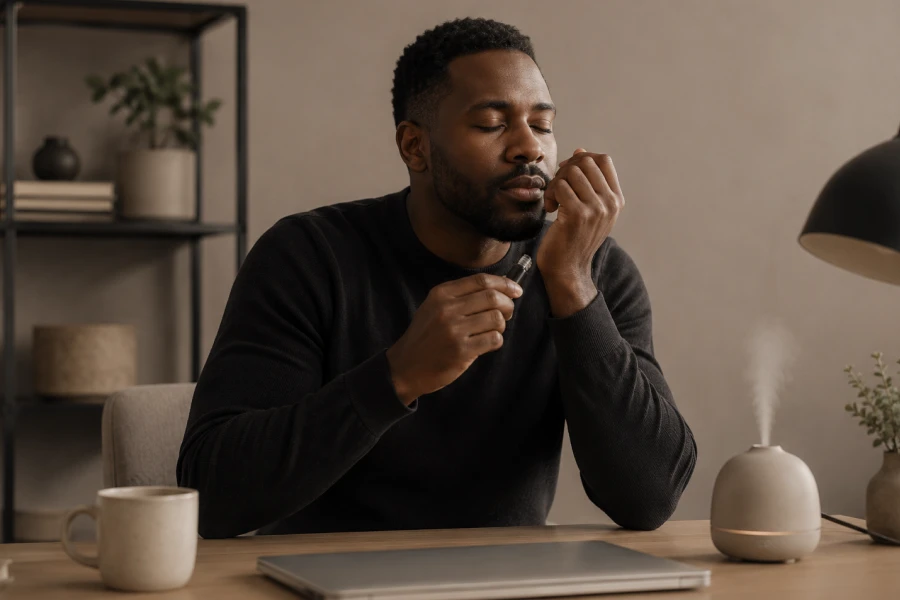
Aroma self-care routines can make ordinary moments feel softer and more intentional. Scent reaches mood quickly because it belongs to daily experience. A familiar aroma can signal pause, focus, comfort, or rest. That signal matters in a noisy schedule. Many people think self-care requires extra time. Scent rituals prove that small cues can still feel meaningful. A diffuser, oil blend, or linen spray can reshape a transition. The practice works best when it stays personal. Calm grows from repetition. Your senses can become part of your routine.
Scent becomes powerful when paired with consistent moments. A morning aroma can signal energy. A midday aroma can support reset. An evening aroma can invite quiet. These associations become stronger through repetition. The routine does not need to be elaborate. It simply needs to be recognizable. Readers exploring aroma self-care habits should begin with one daily cue. That cue turns scent into structure. Calm feels easier when the body recognizes the pattern.
Modern days often blur together. Work, errands, messages, and meals compete for attention. Scent can create a clear boundary between moments. Lighting a candle after work can mark release. A room spray before journaling can invite reflection. An oil blend before stretching can encourage presence. These transitions help the mind change pace. They also make routines feel less forced. The aroma becomes a gentle signal. One small ritual can shift the whole evening.
Mornings need clarity without harsh pressure. Bright scents can make the first hour feel fresher. Keep the routine short enough to repeat. Choose one aroma for grooming, planning, or movement. Use it at the same point each morning. This consistency gives the day a recognizable start. A thoughtful approach to scent and mood helps refine the choice. The goal is not perfection. It is a steadier beginning. Energy can feel calm, not frantic.
Midday stress can arrive quietly. Shoulders tighten, focus fades, and breathing becomes shallow. A scent pause can interrupt that pattern. Step away from the screen when possible. Use a personal inhaler, diffuser, or scented balm. Take several slow breaths before returning. Keep the scent gentle enough for shared spaces. The reset should feel respectful and practical. It does not need to take long. Even one minute can feel restorative.
Personal scent choice matters more than trend lists. Lavender may comfort one person and bore another. Citrus may energize some people and overwhelm others. Woods, herbs, florals, and resins all carry different moods. Test scents when you feel neutral. Notice emotional response before building a routine. Keep strong aromas away from sensitive people or pets. Store oils carefully and use them responsibly. Your preferences can change by season. Let the routine evolve naturally.
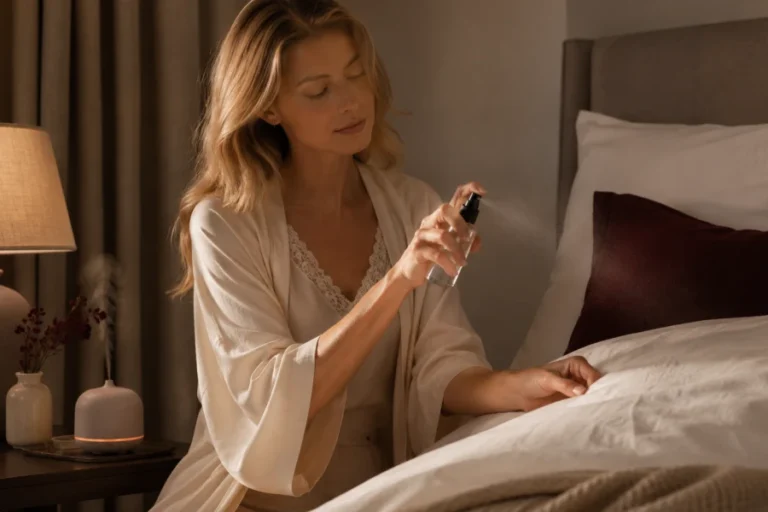
Evenings benefit from slower sensory signals. A calming scent can help separate work from rest. Use it during showering, reading, stretching, or tidying. Keep the aroma soft and familiar. Avoid making the ritual too complicated. Repetition matters more than luxury. A collection of calming daily rituals can support this practice. Your evening should feel less crowded. The scent becomes a quiet invitation. Rest begins before bedtime.
A routine fails when it demands too much. Build scent practices around habits you already have. Add aroma to your desk reset. Place a diffuser near your reading chair. Use a pillow mist only when it feels pleasant. Keep supplies visible but uncluttered. The easier the cue, the longer it lasts. Self-care should reduce effort, not create another task. Simple rituals survive busy weeks. That is where their value appears.
Emotional anchors help days feel less scattered. Scent can hold a memory, intention, or mood. Choose one aroma for calm and one for focus. Use each consistently enough to become familiar. Avoid changing everything at once. Give your senses time to learn. The practice becomes richer through repetition. It also becomes easier to personalize. Small rituals can carry surprising emotional weight. A steady scent can make stress feel smaller.



Leave a comment